The Allure of Risk and Reward
Casino gambling attracts players primarily due to the thrill of risk and the potential for substantial rewards. This dynamic engages the human brain’s reward system, which releases dopamine, a neurotransmitter associated with pleasure and satisfaction. As players win, the anticipation of future wins keeps them engaged, creating a cycle of excitement that can be hard to break, especially when considering the wide variety of available options, including different plinko gambling sites. This neurological response is central to understanding why many individuals consistently return to gambling venues, despite the inherent risks involved.

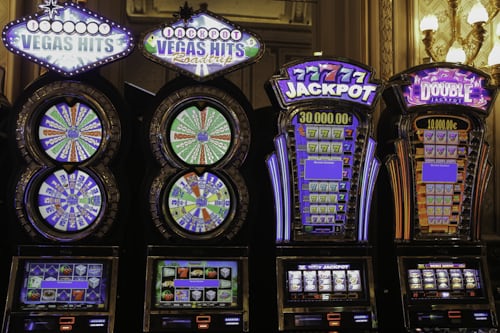
The excitement of playing games of chance, such as slots or poker, is often heightened by the environment of the casino itself. Bright lights, engaging sounds, and the presence of other players create a stimulating atmosphere that can lead to impulsive gambling behavior. This setting can cause individuals to lose track of time and money, driven by an adrenaline rush that can be both exhilarating and dangerous.
Cognitive Biases in Gambling
Cognitive biases play a significant role in gambling behavior. Players often exhibit the « gambler’s fallacy, » the belief that future probabilities are influenced by past events. For instance, a player may think that a certain slot machine is « due » for a payout after a series of losses. This mindset can lead individuals to chase losses, thinking they can recover their money in the long run. Understanding these cognitive distortions can help both players and practitioners develop better strategies to combat problematic gambling.
Moreover, the illusion of control is another cognitive bias that fuels gambling. Many players believe they can influence the outcome of games based on their skills or strategies, especially in games like poker or blackjack. This false sense of control can lead to prolonged engagement in gambling activities, as players often feel empowered despite the random nature of many casino games.
The Emotional Rollercoaster of Gambling
The emotional experience of gambling is complex and varied. Players can experience a range of emotions from intense excitement to deep despair, often within a single session. Winning can instill a sense of euphoria, while losing can bring about feelings of frustration, shame, or regret. This emotional rollercoaster can lead to compulsive behavior, where individuals return to gambling to escape negative feelings or to recreate the high of a win.
Moreover, social factors can amplify these emotions. Gamblers often share experiences with friends or family, which can create a community of support or an environment that encourages further gambling. However, this can also lead to peer pressure, where individuals feel compelled to continue gambling even when they wish to stop. Understanding these emotional dynamics is crucial for both players and those providing support to individuals dealing with gambling issues.
The Role of Marketing and Environment
Casino operators leverage psychological principles to attract and retain gamblers. Marketing strategies often highlight the potential for big wins and create a glamorous image of casino life. Promotions, bonuses, and rewards programs are designed to entice players and encourage loyalty. These marketing tactics exploit the psychological tendency to overestimate the likelihood of winning, making gambling seem more appealing than it is. This is particularly effective in the modern digital age, where online casinos utilize targeted advertising to reach potential players.
The design of casinos also plays a pivotal role in influencing gambling behavior. Many establishments lack windows and clocks, creating an environment where players lose track of time. The layout often encourages movement from one game to another, subtly nudging players to continue gambling. These strategic choices are rooted in psychological research, aiming to maximize the duration and intensity of player engagement.
Conclusion: Understanding Gambling Behavior
Exploring the psychology behind casino gambling behavior reveals the intricate relationship between human emotions, cognitive biases, and environmental influences. Understanding these factors is crucial for developing strategies to foster responsible gambling practices. As players become more aware of their motivations and the psychological mechanisms at play, they can make more informed decisions about their gambling habits.
For those looking to dive deeper into the world of gambling, consider exploring platforms that provide valuable resources and insights into responsible gaming. These websites can guide players in understanding their behavior, promoting healthier gambling practices while still enjoying the thrill of the game.